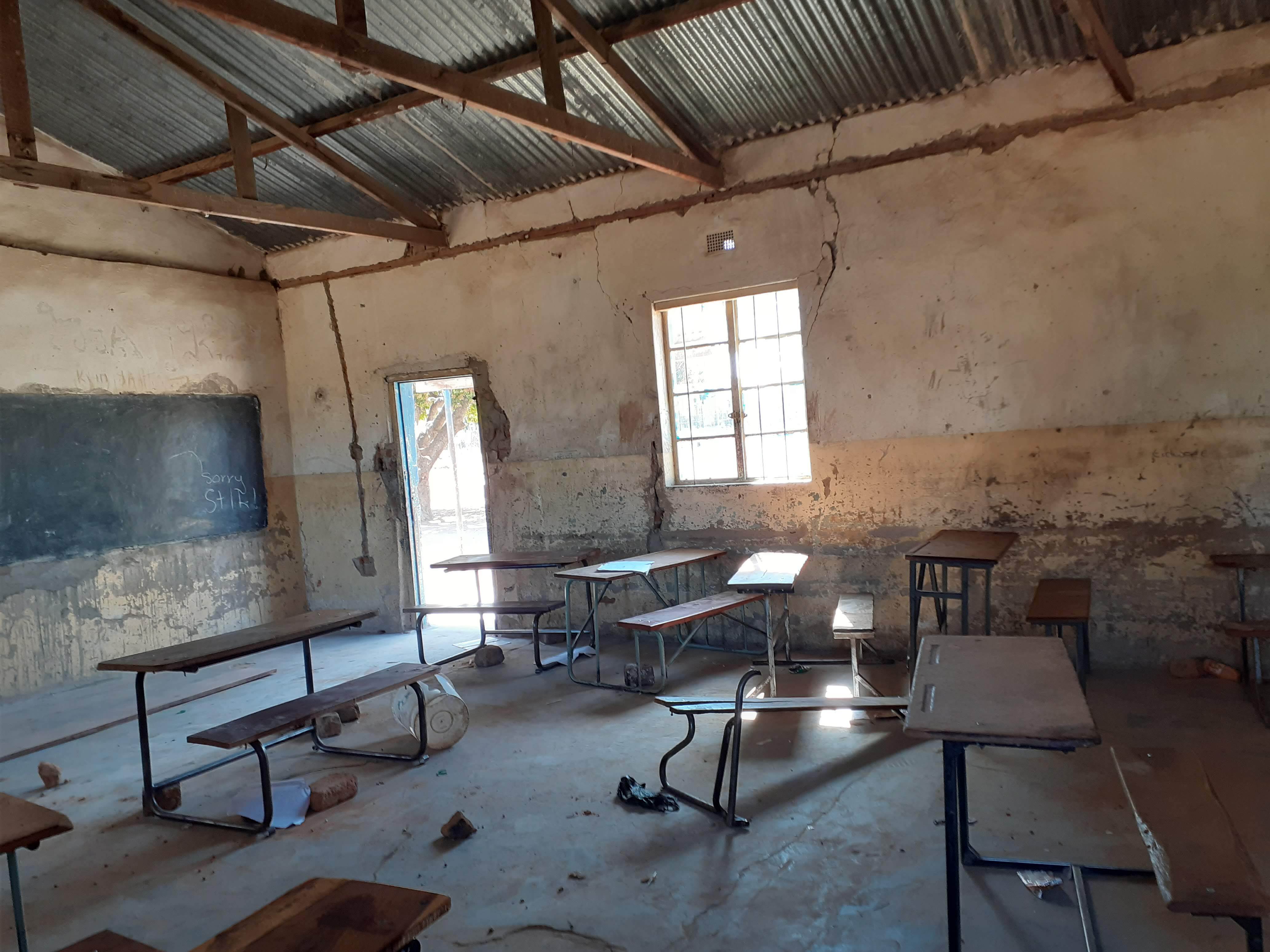
As governments prepare to mark the International Day of Education on January 24, too many are left behind because of chronic underinvestment. Education systems are being weakened by austerity, debt, and privatization. This moment demands a clear shift toward public financing that is grounded in rights and accountable to people.
By Dr. Maria Ron Balsera, CESR’s Executive Director
Education is essential for peace, dignity, equality, and participation in public life. Yet across the world, this right is being denied. Chronic underfunding, deepening inequalities, unsustainable debt, and growing military budgets are pushing education further out of reach for millions of people.
On this International Day of Education, we join partners and movements around the world in calling for public financing that meets the scale of the crisis. Governments must not delay. Fulfilling the right to education requires investing public resources where they are most needed, guided by human rights and international cooperation.
Defining the right, and holding governments accountable
The right to education is well established under international law. The 4As framework defines its core components: availability, accessibility, acceptability, and adaptability. States must ensure enough schools and trained teachers, eliminate barriers to access, deliver quality and culturally appropriate education, and adapt to the needs of different learners and communities.
But these commitments cannot be fulfilled without accountability. Transparency, participation, and enforceable remedies are necessary to make the right real. Without them, states avoid consequences when they fail to meet obligations, and communities are denied the power to shape decisions that affect them.
Underfunding education is a political choice
Public education systems are under growing pressure. Governments are cutting spending, even as needs increase. Many countries are locked into cycles of debt and austerity, spending more on interest payments than on health or education. In 2024, developing countries paid $921 billion in interest on public debt. Over 3 billion people live in countries where debt service exceeds public investment in core social rights.
This crisis is rooted in systemic inequalities. Wealthier countries and institutions have structured global finance in ways that limit public budgets in the Global South. Debt relief is delayed, borrowing costs are unequal, and tax systems remain regressive and porous. In this environment, education is often treated as optional, rather than as a right protected by law.
Militarization is adding to the strain. As conflicts escalate, military budgets are expanding, while social investment is deprioritized. The promised shift from defense to development, often referred to as a “peace dividend,” has not materialized. On the contrary, schools and teachers are being sidelined in favor of weapons and warfare.
Public financing for education must be transformed
Governments can and must reverse course. A justice-based approach to public finance can strengthen education systems while upholding rights. The 4S framework provides a clear path forward:
-
Share: Increase the proportion of public budgets dedicated to education. Meeting or exceeding the global benchmark of 15 to 20 percent is a necessary step to fulfill legal obligations.
-
Size: Expand the overall amount of resources available. This requires reducing debt payments, raising more revenue through progressive taxes, and ending tax loopholes and harmful exemptions that benefit the wealthy. International cooperation is key. A UN-led tax convention would help create fairer global rules and allow countries to mobilize resources for rights.
-
Sensitivity: Budget decisions must prioritize equity and inclusion. That means focusing on the needs of marginalized learners, including girls, children with disabilities, rural and migrant communities, and others who are too often excluded. Equity must be built into every stage of the budget process.
-
Scrutiny: Transparent, participatory, and accountable budget systems are essential. People must have access to information, a voice in decisions, and mechanisms to hold institutions to account.
False solutions are making the problem worse
Under pressure to deliver services without increasing public spending, some governments and donors have embraced privatization. But these approaches have repeatedly failed to uphold rights. Low-fee private schools often exclude the poorest students and students with special needs and disabilities. Public-private partnerships shift risk onto the public while private actors profit. Financialization turns education into an investment product, removing it from public oversight.
These models deepen inequality and weaken public systems. They are promoted by powerful corporate interests, but they are incompatible with the right to education. Governments have a duty to regulate, not retreat.
Global responsibility for education justice
The right to education cannot be realized through domestic policy alone. Wealthier countries and international institutions shape the rules of the global economy, and they must be held to account. That includes:
-
Supporting debt relief and restructuring instead of pushing austerity
-
Ensuring that international financial institutions do not impose conditions that restrict public investment
-
Contributing adequate, grant-based funds to multilateral education mechanisms like the Global Partnership for Education
International cooperation is not an act of generosity. It is a legal obligation rooted in the right to development and global human rights law.
Education is central to a just and sustainable future
Public education is a foundation for dignity, equality, and shared prosperity. It supports gender and climate justice, strengthens democracy, and enables collective action. Financing it is not a secondary concern. It is a test of whether governments are serious about building fair and sustainable societies.
On this International Day of Education, the demand is clear. Fund education as a right. Fund it publicly. Fund it fairly. And do it now.