The global debates on debt, tax, climate finance, and democratic economic governance between the IMF/World Bank Spring Meetings and the 2026 FfD Forum and where we go from here.
By: Mahinour EBadrawi, Global Partnerships Lead
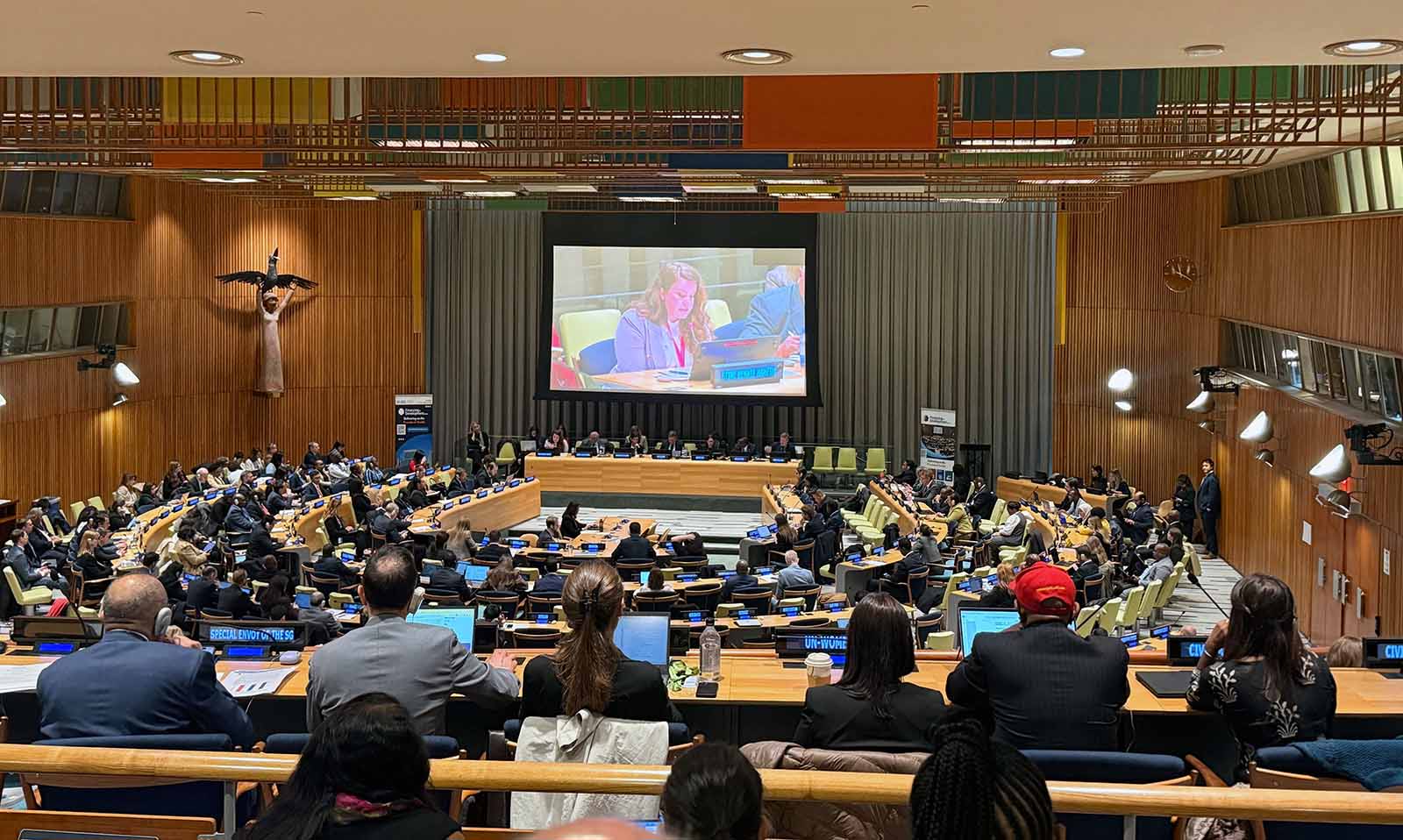
The April 2026 IMF and World Bank Spring Meetings in Washington, DC, and the ECOSOC Financing for Development Forum in New York (the first since the ‘FfD4’ conference and resulting ‘Seville Commitment’) revealed more than just a financing gap. Together, they exposed a stark governance gap between the scale of today’s crises and the willingness of the international system to redistribute power, resources, and accountability.
These reflections reflect on the two spaces together because they are politically connected. Washington remains a key site where creditor power, surveillance, lending, and private-capital models continue to shape the terms of economic policy. New York remains the contested UN space where Global South governments, civil society, feminist movements, and rights advocates are pushing to rewrite those terms through debt justice, tax justice, climate justice, and democratic global economic governance.
The question is not only whether international institutions can survive geopolitical fragmentation. It is what kind of global order is emerging from the rules, silences, and compromises they make. Will it be an order where states uphold obligations to people and the planet, regulate private power, and protect the public good? Or will it be one where oligarchic interests, creditor priorities, and market discipline continue to hollow out democratic accountability?
War, ecological harm, debt distress, and austerity make this question urgent. Militarization and extractive economic policies are not external to financing for development. They shape whether public resources are directed toward rights-based public investment, climate action, social protection, and public services, or toward war, creditor repayment, fossil fuel dependency, and private returns.
For CESR, the issue is not simply whether more financing can be mobilized. It is the question of financing for what, for whom, and under whose rules. A rights-based approach to financing for development requires states to mobilize the maximum available resources, individually and through international cooperation, to fulfill economic, social, and environmental rights. It also requires states to avoid retrogression, tackle inequality and discrimination, regulate private power, and ensure that economic governance is democratic, transparent, and accountable.
That is the test against which post-Sevilla implementation must be judged.