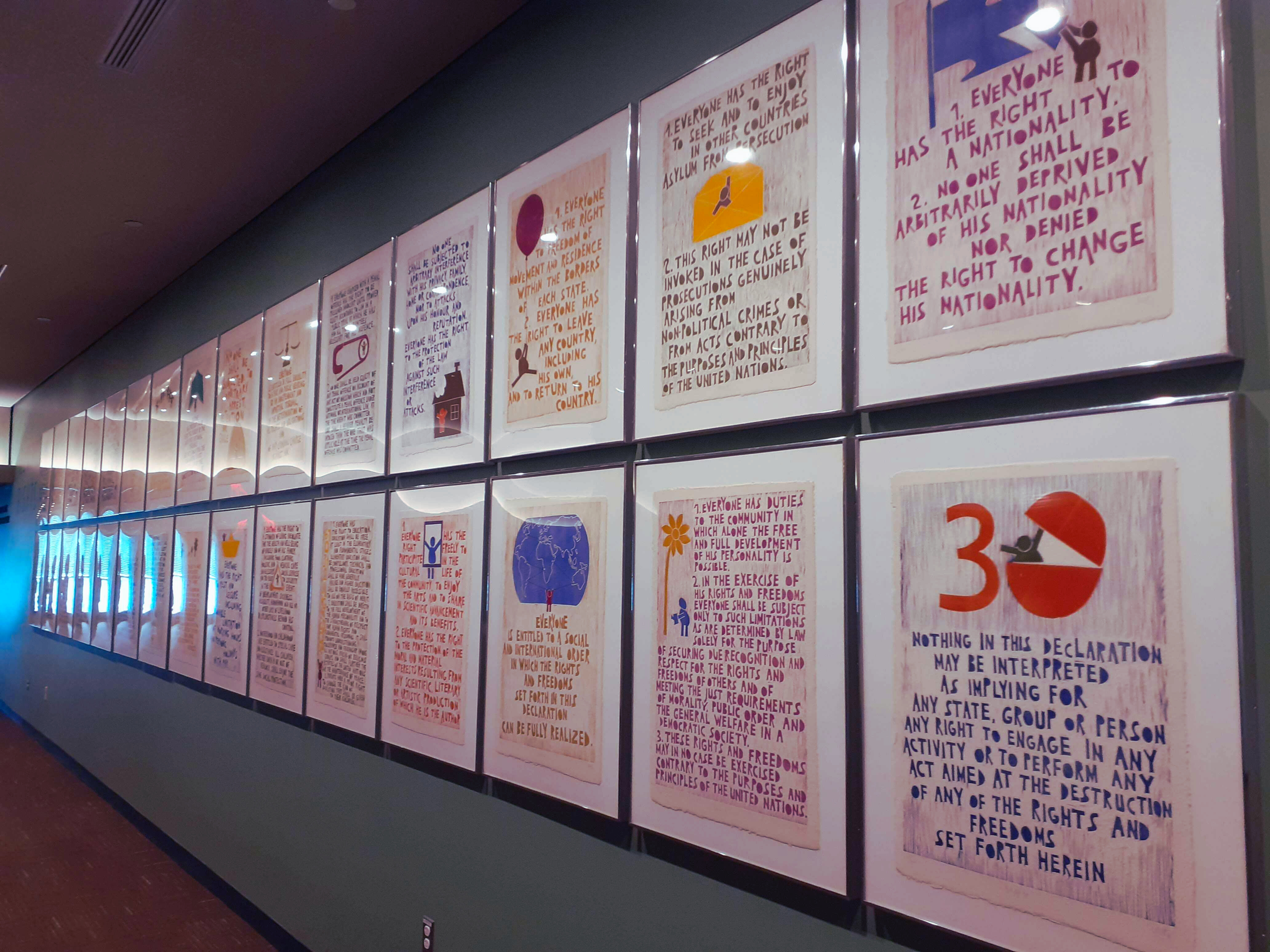
On this Human Rights Day, we look to the strategies that show a fairer future is still within reach.
Today marks 77 years since the United Nations adopted the Universal Declaration of Human Rights, a document written in the aftermath of global catastrophe to affirm the essentials that make collective life possible. This year has reminded us why that commitment was made in the first place. The forces that shaped the world in 1948, including violence, displacement, economic hardship, and the temptation to sacrifice human dignity in moments of fear, resurfaced with renewed intensity and tested whether those shared essentials still guide public decisions today.
Alongside the crises affecting people’s daily lives, anti rights networks all over the globe continued to promote messages designed to narrow who is considered deserving of rights. These actors often use fear, misinformation, and selective outrage to divide communities along artificial lines. They question the legitimacy of the human rights framework and try to erode public support for equality, inclusion, and social protection.
In this context, defending human rights means reaffirming their value in people’s daily lives and expanding the coalitions that can advance them. It involves telling clearer stories about how rights support shared prosperity, safety, and belonging, and highlighting whose interests are served when these commitments are weakened. Here, we summarize some of the strategies employed by us and allies to protect and harness the power of human rights.
Connecting movements, analysis, and strategies to fuel systemic reform
Real progress depends on the connections that allow people to coordinate their efforts and shape shared strategies. Across issues and regions, advocates need spaces where they can compare their realities, understand how economic rules influence them, and chart common paths forward. This connective work is often overlooked, yet it is essential for building power and sustaining change.
At CESR, we contribute to this infrastructure by bringing together grassroots organizers, academic researchers, civil society networks, and public officials. We create opportunities to exchange insights, explore the links between fiscal choices and rights, and develop solutions that reflect both local experience and global responsibilities. We also design tools that make complex economic debates understandable and usable for organizing and policy work.
This year, we helped deepen the conversation about what a Rights-Based Economy can deliver. We produced resources on climate finance, gender justice, illicit financial flows, among others. These contributions emerged from ongoing collaboration with partners who trust CESR to connect urgent challenges with long term structural reform.
Across many contexts, people are already building the alliances needed for transformation. They work across borders and sectors, strengthen local and global links, and imagine economic systems that protect dignity. This is the story we honour on Human Rights Day. A story of dignity defended, freedom asserted, and justice demanded again and again, against the odds.
If this year has shown us anything, it is this: human rights cannot be fulfilled without adequate financing, they are intimately connected to the economic rules that shape people’s daily realities. Economic and social rights give democracy its substance, multilateralism its legitimacy, and communities their power to confront corporate abuse and far-right populism.
That is why, more than ever, we must break silos. We must join forces across movements, disciplines, regions, and generations. We must work together for a Rights-Based Economy: one that redistributes power, resources, and opportunities; one that places dignity, freedom, and justice at the center of global decision-making. On this Human Rights Day, we recommit to this work with renewed clarity and resolve, because another world is possible. Together, we are already building it.